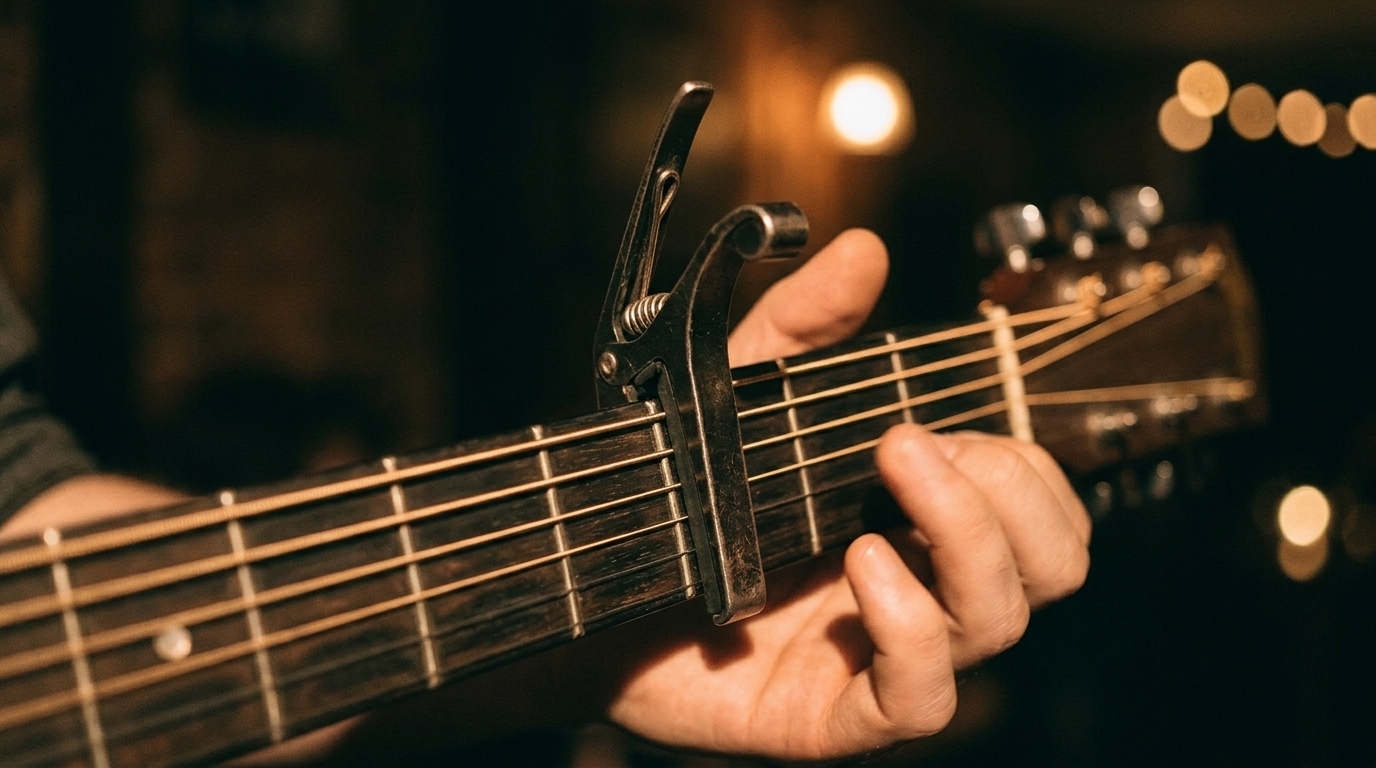
Fingerpicking means plucking individual strings with your fingers instead of strumming. It is how quiet, intimate acoustic songs get their texture — and it is easier than it looks, because your fretting hand keeps playing exactly the same chords.
Meet your picking fingers
| Finger | Letter | Usually plays |
|---|---|---|
| Thumb | p | The bass strings (E, A and D) |
| Index | i | G string |
| Middle | m | B string |
| Ring | a | High E string |
Hand position
Rest your hand lightly over the soundhole, with your thumb slightly ahead of your fingers. Let each finger "own" one string — it makes the patterns feel automatic much sooner.

The chords
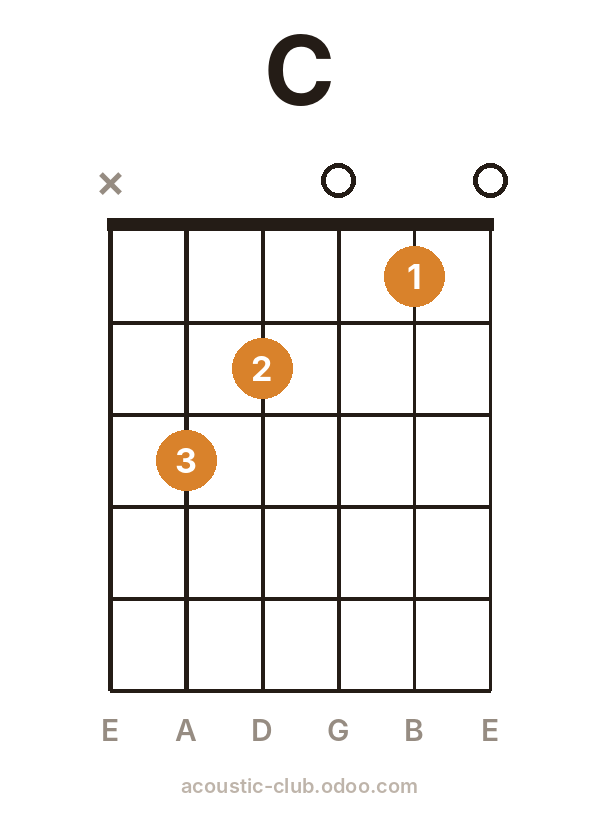
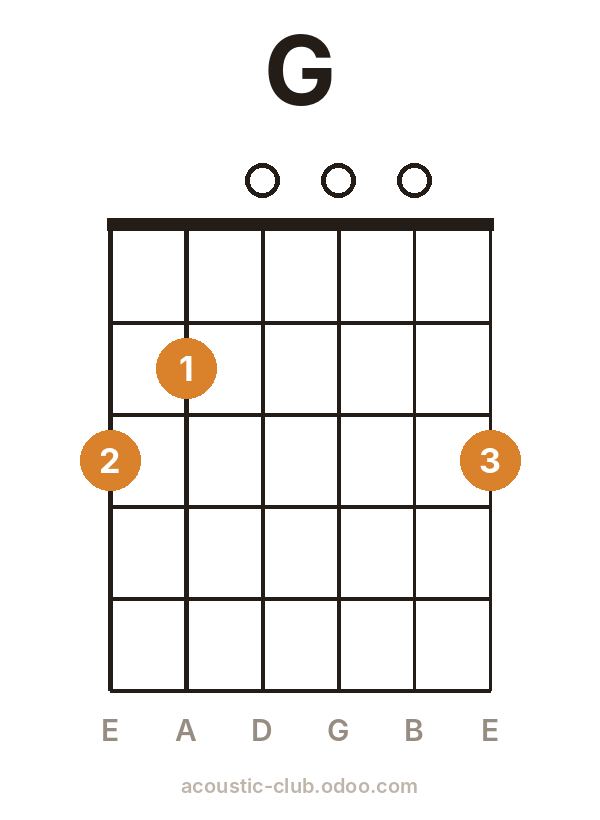
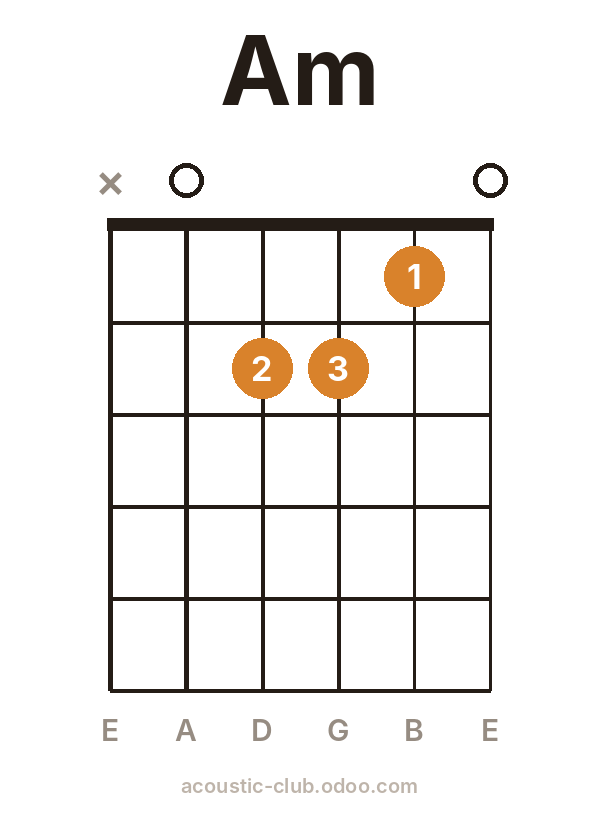
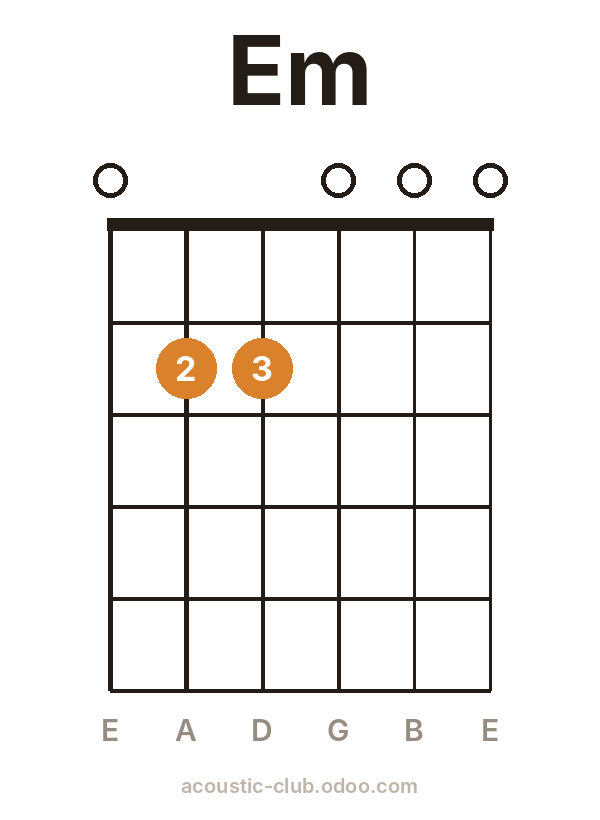
The thumb plays each chord's lowest note: the A string for C and Am, the low E string for G and Em.
Your fretting hand keeps playing exactly the same chords.
Acoustic Club SessionsThree patterns
p – i – m – a – m – i. The thumb plays the bass, then your fingers walk up the strings and back down. Gentle and flowing — perfect for slow songs.
Arpeggio pattern
  C                  G                  Am                 Em
e|----------0-------|----------3-------|----------0-------|----------0-------|
B|-------1-----1----|-------0-----0----|-------1-----1----|-------0-----0----|
G|----0-----------0-|----0-----------0-|----2-----------2-|----0-----------0-|
D|------------------|------------------|------------------|------------------|
A|-3----------------|------------------|-0----------------|------------------|
E|------------------|-3----------------|------------------|-0----------------|
p – i – m – a, repeated. Shorter and brighter than the arpeggio, and a great way to get each finger working on its own string.
Forward roll (play each bar twice)
  C            G            Am           Em
e|----------0-|----------3-|----------0-|----------0-|
B|-------1----|-------0----|-------1----|-------0----|
G|----0-------|----0-------|----2-------|----0-------|
D|------------|------------|------------|------------|
A|-3----------|------------|-0----------|------------|
E|------------|-3----------|------------|-0----------|
The thumb rocks between two bass strings on every beat while your index finger plucks the B string in between. This "boom-chick" feel is the foundation of folk and country fingerpicking.
Alternating bass pattern
  C                        G                        Am                       Em
e|------------------------|------------------------|------------------------|------------------------|
B|----1-----1-----1-----1-|----0-----0-----0-----0-|----1-----1-----1-----1-|----0-----0-----0-----0-|
G|------------------------|------------------------|------------------------|------------------------|
D|-------2-----------2----|-------0-----------0----|-------2-----------2----|-------2-----------2----|
A|-3-----------3----------|------------------------|-0-----------0----------|------------------------|
E|------------------------|-3-----------3----------|------------------------|-0-----------0----------|
How to practise
01
Thumb only
Play just the bass notes of each chord, steadily, until your thumb finds the right string without looking.
02
One chord, one pattern
Loop a single pattern on C until it is smooth. Then try it on G.
03
Slow changes
Change chords on the first bass note of each bar. Go as slowly as you need — even rhythm matters more than speed.